About Rutherford Long Term Recovery Group
The Rutherford County Long Term Recovery Group (RCLTRG) unites community partners to deliver transparent, efficient preparedness and equitable disaster recovery, restoring stability, resilience, and hope for residents after disaster.
We are a nonprofit, community-led organization focused on long-term recovery after disaster. Guided by a local Board of Directors and rooted in Rutherford County, we work alongside survivors, local agencies, faith communities, businesses, and nonprofits to move households from immediate crisis toward lasting stability.
What a Long-Term Recovery Group Does
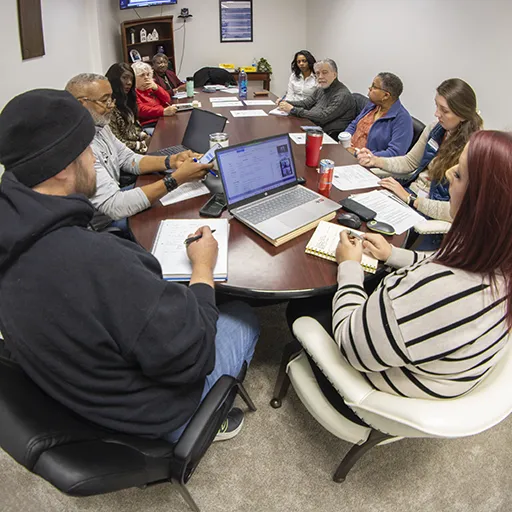
A Long-Term Recovery Group (LTRG) is a community team formed in response to a major disaster. We convene local organizations and community members, coordinate case management for households with unmet needs, and help bring financial, material, and volunteer resources into Rutherford County.
Our work includes:
- Providing recovery services to individuals, households, and businesses affected by disasters in Rutherford County.
- Strengthening local communities and organizations impacted by disasters through collaborative planning and support.
- Supporting disaster preparedness, including community education and physical preparedness efforts.
- Soliciting, accepting, and distributing funds in line with our charitable mission and nonprofit obligations.
We focus on long-term recovery because rebuilding homes, lives, and communities often takes months or years beyond the initial emergency response.
Our Leadership and Board
The Rutherford Long Term Recovery Group is governed by a volunteer Board of Directors whose composition reflects the support structure of Rutherford County. Our Board includes representatives from local high school districts, faith communities, businesses, safety-net nonprofits, housing organizations, and the broader public.
This diverse leadership team provides oversight for our mission, finances, and strategic direction, ensuring that community voices guide recovery decisions.
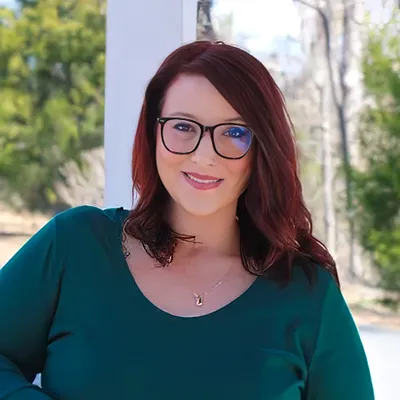
Clarissa Gordon
Executive Director
A lifelong resident of Rutherford County, Clarissa Gordon leads the Rutherford Long Term Recovery Group with a hands-on background in disaster case management. Following Hurricane Helene, she worked directly with impacted families to navigate FEMA assistance, housing repairs, and unmet needs support. As Executive Director, she coordinates community resources and builds partnerships with local nonprofits and faith-based organizations to guide long-term recovery efforts, bringing a compassionate, organized approach to helping residents return to safe, stable housing.
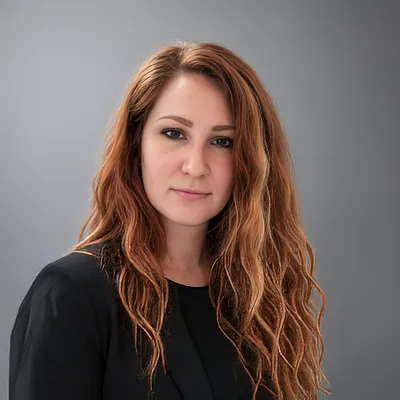
Brittany McCurry
Disaster Case Manager
Brittany McCurry is a lifelong Rutherford County resident and Disaster Case Manager with a background in social work. She works directly with individuals and families navigating crisis and recovery, using active listening and genuine compassion to connect clients with the right resources for their situation. Grounded in a commitment to equity and community strength, Brittany is dedicated to helping neighbors rebuild and move toward long-term stability after disaster.
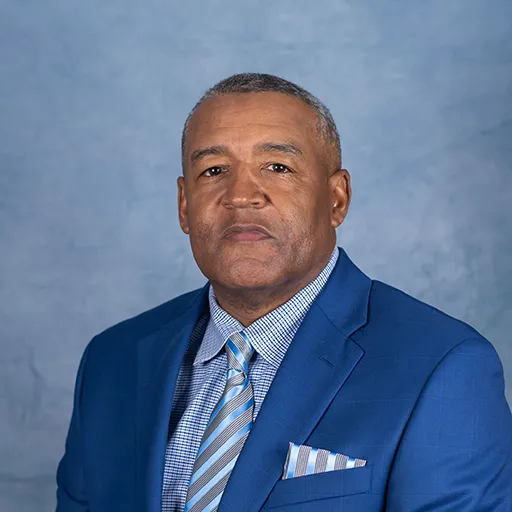
David Brown
Board Chairman
David Brown serves as Chairman of the Rutherford Long Term Recovery Group Board of Directors, providing leadership and strategic oversight for the organization’s recovery mission. He helps guide board decision-making and governance to ensure the LTRG remains accountable and effective in serving Rutherford County survivors.
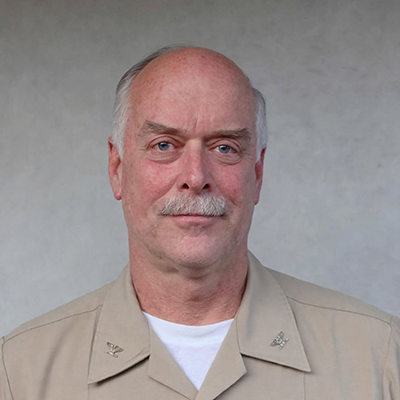
Steve Ross
Vice Chairman
Steve Ross serves as Vice Chairman of the Rutherford Long Term Recovery Group Board of Directors, supporting board leadership and helping guide the organization’s strategic direction. He plays a key role in advancing the LTRG’s mission of community-led, equitable disaster recovery.
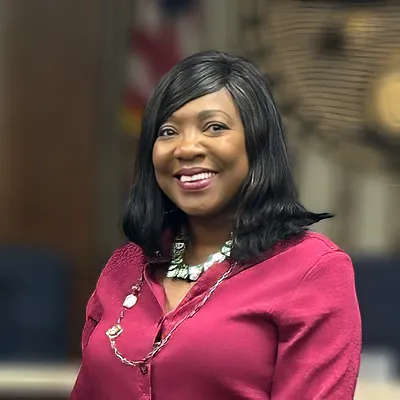
Delores Hunt
Board Treasurer
Delores Hunt serves as Treasurer of the Rutherford Long Term Recovery Group Board of Directors, overseeing financial stewardship and accountability for the organization. Her role helps ensure that donated funds and resources are managed responsibly in support of long-term recovery work across Rutherford County.
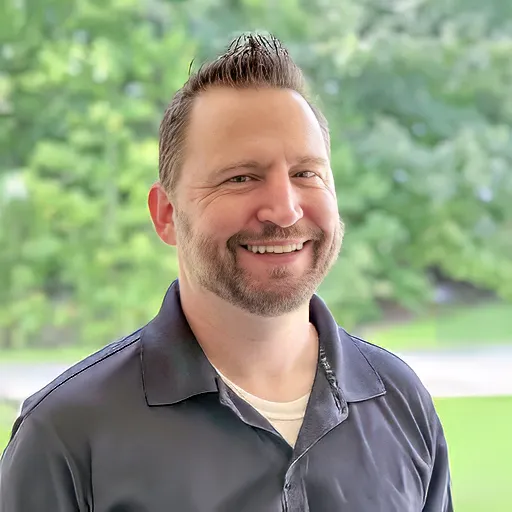
Matt LaBreche
Board Secretary
Matt Labreche serves as Secretary of the Rutherford Long Term Recovery Group Board of Directors, supporting governance and record-keeping for the organization. His work helps maintain the transparency and accountability that guide the LTRG’s recovery efforts.
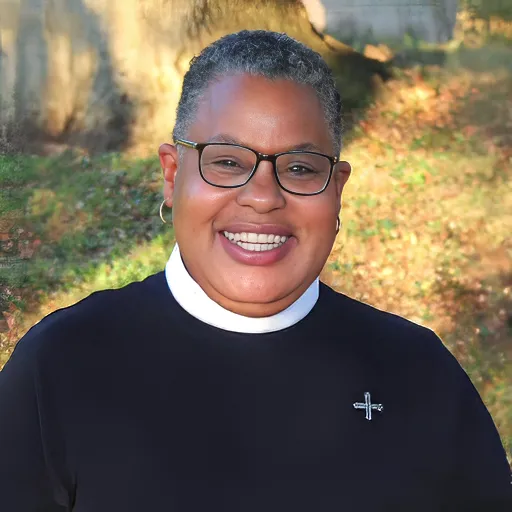
Toni Belhu
Board Member
Toni Belhu serves as a Board Member of the Rutherford Long Term Recovery Group, contributing to the strategic oversight and community-focused direction of the organization. Her involvement supports the LTRG’s mission of bringing local partners together for equitable disaster recovery.
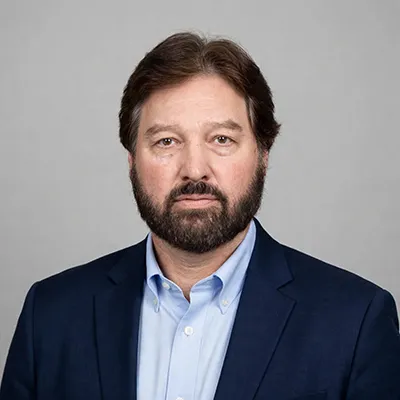
Rick Austin
Board Member
Rick Austin serves as a Board Member of the Rutherford Long Term Recovery Group, bringing hands-on emergency response experience to the organization’s disaster recovery mission. As Program Manager for the Community Emergency Response Team (CERT) Rutherford, he leads local volunteers in disaster preparedness training and rapid response efforts across Rutherford County. His work with CERT strengthens the LTRG’s ability to coordinate quickly and effectively when disaster strikes, connecting community-based emergency response with long-term recovery support.
Community Partners and Committees
Long-term recovery is a community effort. We work alongside local nonprofits, churches, public agencies, and regional partners to coordinate support for survivors with unmet needs. Committees of the Board help organize this work, focusing on areas like case management, construction and repairs, volunteers and donations, finance and fundraising, spiritual and emotional support, information and technology, and preparedness and needs assessment.
Examples of our standing committees include:
- Finance Committee – Supports fundraising, donations, grants, and financial controls.
- Construction Committee – Coordinates and oversees rebuilding projects for approved cases.
- Case Management Committee – Reviews cases and helps connect survivors to appropriate services and support.
- Unmet Needs Committee – Brings money, materials, and volunteer “muscle” to address needs identified through case management.
- Volunteers and Donations Committee – Manages volunteers and donated goods to aid long-term recovery.
- Spiritual and Emotional Support Committee – Provides listening, guidance, and connection to resources for emotional and spiritual care.
- Information and Technology Management Committee – Oversees data and information systems used for disaster readiness and coordination.
- Preparedness and Needs Assessment Committee – Evaluates community needs and resources to strengthen resilience before and after disasters.
These committees often include community volunteers and partners who bring their expertise and lived experience to the table.
Our Commitment to Equity and Access
Our bylaws and mission commit us to serving survivors without discrimination. The Rutherford Long Term Recovery Group provides spiritual, emotional, physical, and financial resources to those affected by disaster regardless of race, creed, color, gender, sexual orientation, disability, or religious preference.
We strive to ensure that recovery services and information are accessible to all residents, especially those who are poor, distressed, underprivileged, or facing barriers to support. This includes working with partners focused on healthy eating, active living, and other community priorities that shape long-term resilience.
Why Trust Matters in Disaster Recovery
After a major disaster, residents are often confronted with conflicting information and, at times, organizations that may not be rooted in the community. The Rutherford Long Term Recovery Group exists to provide a clear, local, and accountable path to support.
We are incorporated as a nonprofit under North Carolina law and organized exclusively for charitable and educational purposes permitted under Section 501(c)(3) of the Internal Revenue Code. Our Board, officers, and Executive Director operate under formal bylaws and governance practices designed to ensure transparent decision-making, strong financial controls, and regular oversight.
By working through a community-led structure and partnering with established local organizations, we aim to build trust, reduce confusion, and make it easier for survivors to find reliable help when it matters most.